
Understanding Mental Health – A Beginner's Guide to Wellness
Introduction
When we talk about health, most people think of diet, exercise, or illness — but rarely about mental health. Yet our mental health shapes every part of our lives: the way we think, feel, act, and even how we handle stress or make decisions.
Psychologist Ajita Dhaila often reminds readers that mental health struggles are not signs of weakness — they are part of being human. The good news is that mental health can be nurtured just like physical health.
What exactly is mental health?
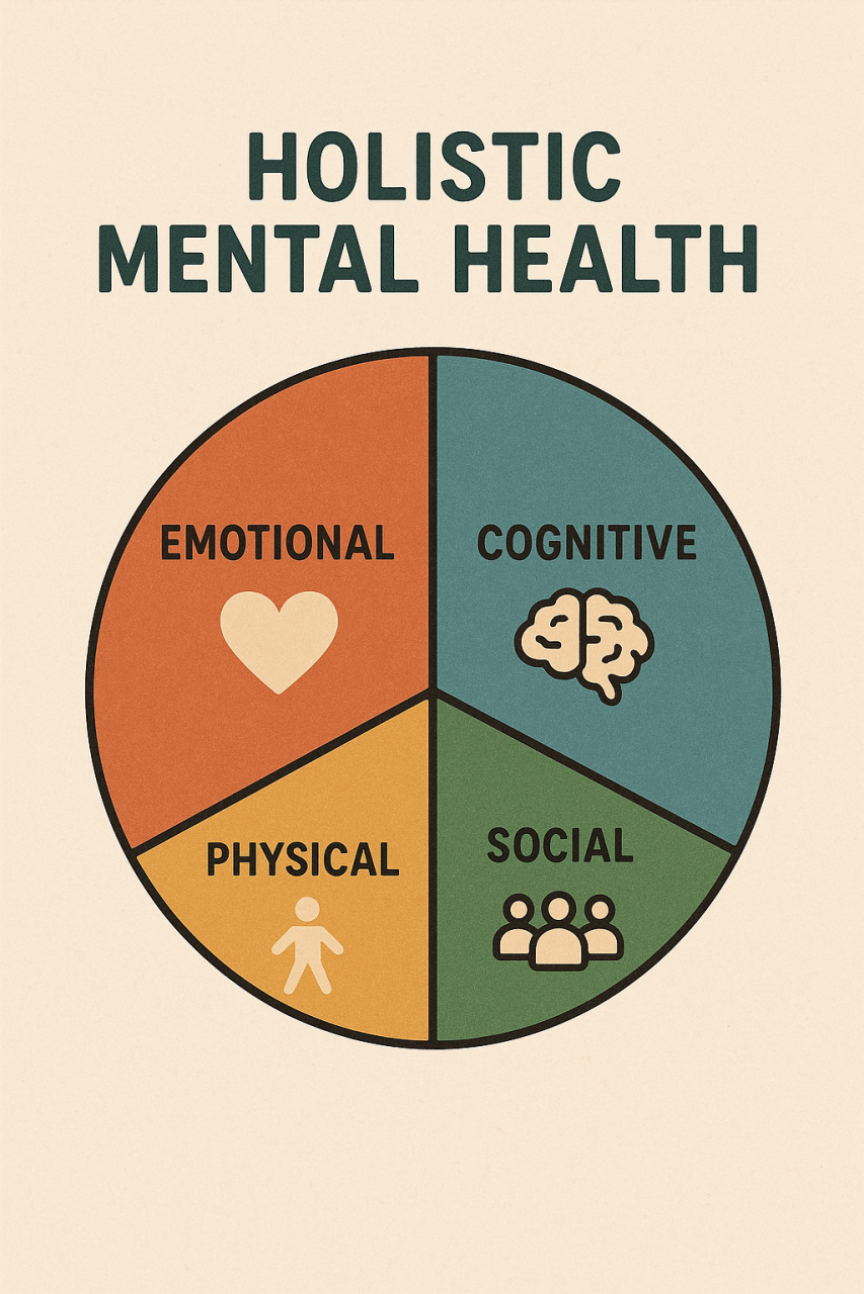
Mental health is about more than just not being sick. It involves balance between emotions, thoughts, and behaviours and affects relationships and daily choices.
Why mental health matters
- Better stress management and emotional regulation
- Improved relationships with family and peers
- Higher productivity and focus at work
- Greater overall life satisfaction and joy
Beginner-friendly self-care practices
Move your body
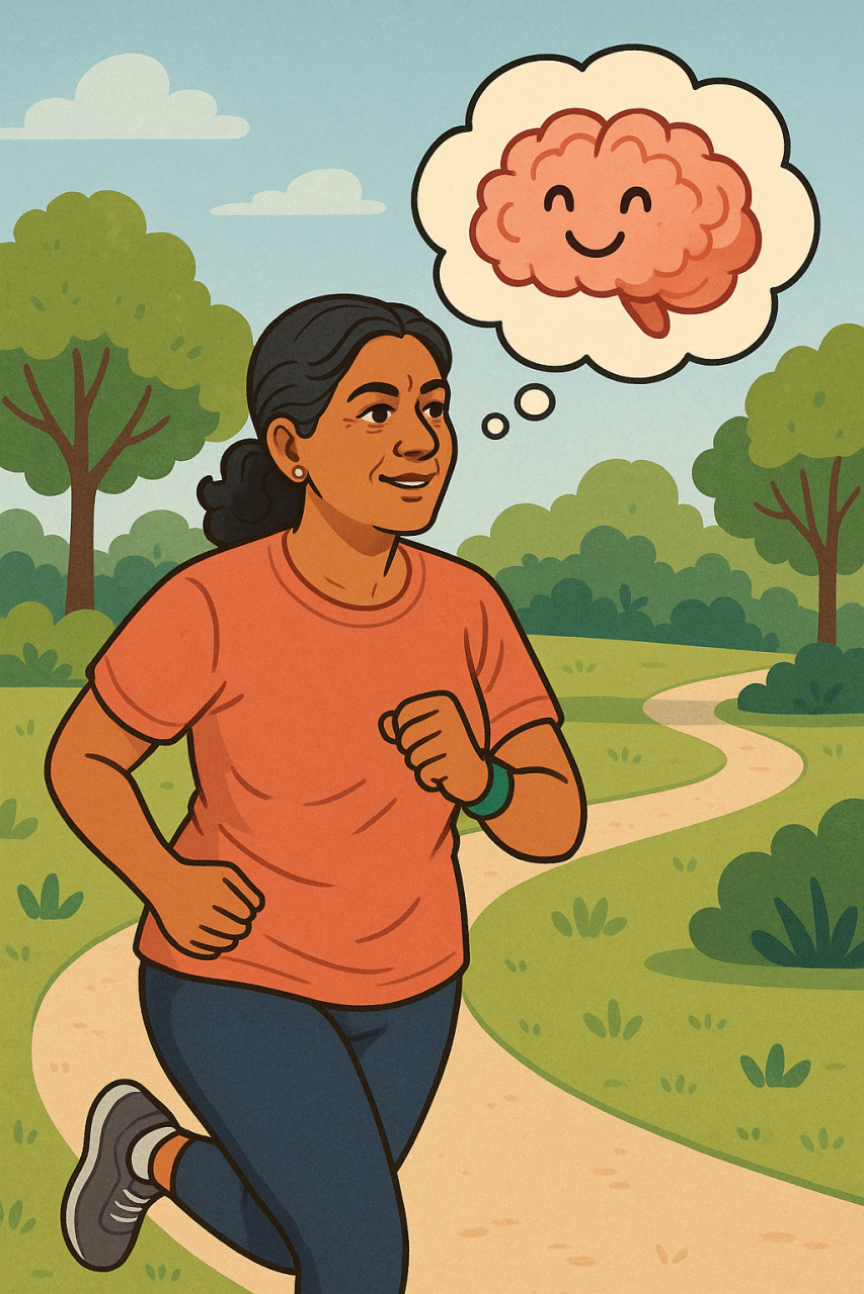
Exercise releases endorphins that improve mood and reduce stress. Even a 20–30 minute walk can make a difference.
Eat and hydrate well
Good nutrition and hydration support energy, focus, and emotional wellbeing.
Prioritize restful sleep
Maintain a regular sleep schedule, avoid screens before bed, and develop calming bedtime routines.
Practice mindfulness
Mindfulness helps you stay present instead of worrying about the future.
Stay connected
Supportive relationships reduce isolation and build resilience.
When to seek professional help
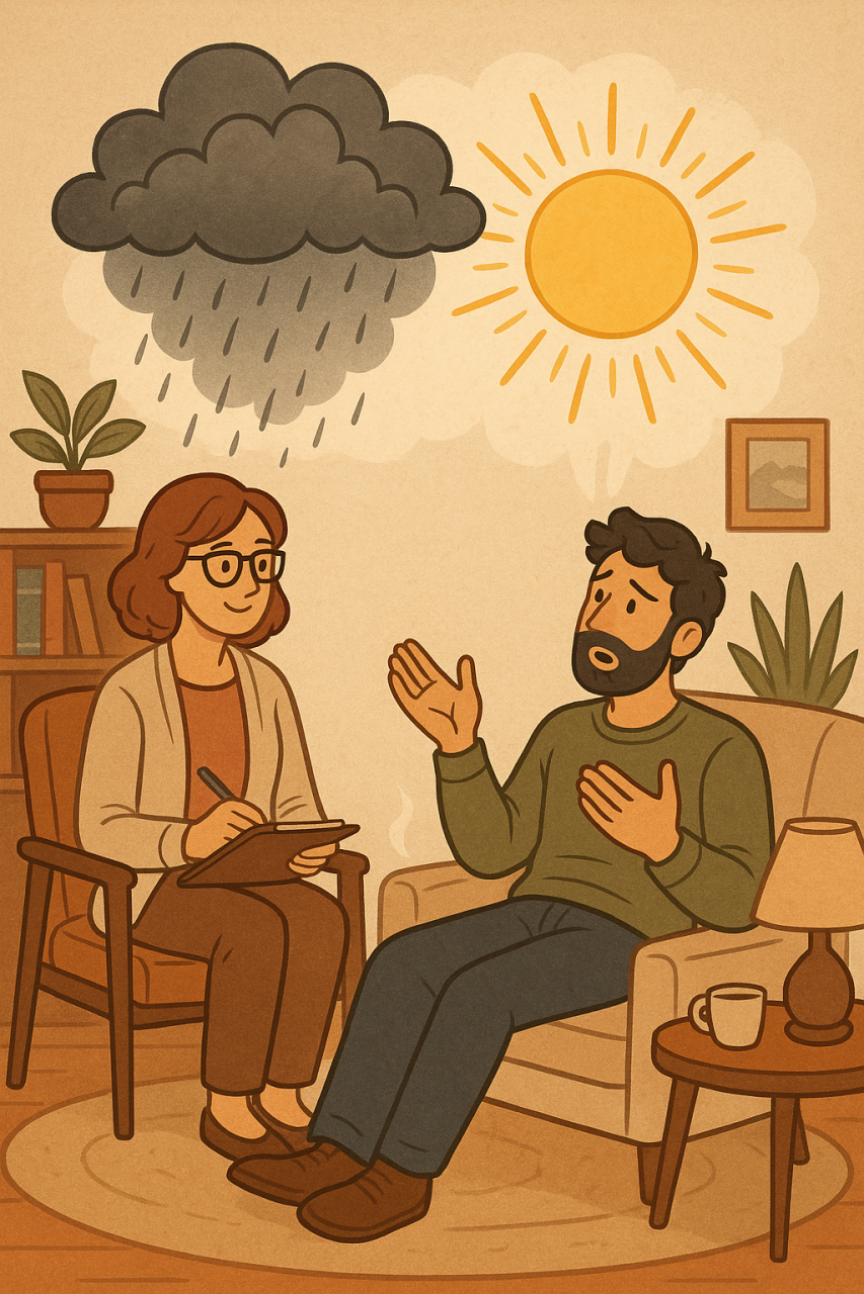
Therapy provides a safe, supportive space for healing and growth.
Breaking the stigma
Use supportive language, encourage loved ones to seek help, and normalize conversations about emotional wellbeing. The more openly we talk, the easier it becomes for others to ask for support.
Conclusion
Mental health is a journey, not a destination. Through self-care, awareness, and professional support when needed, you can build resilience and improve your quality of life.
Resources
Ready to begin your healing journey?
Take the first step toward emotional wellbeing today.
Schedule consultation