
Personal Growth – A Beginner's Path to Self-Improvement
Introduction
We all have moments when we wonder, "How can I be a better version of myself?" Personal growth — sometimes called self-development — is about exactly that. It's the lifelong process of learning, building resilience, and expanding our potential.
Psychologist Ajita Dhaila emphasises that personal growth doesn't happen overnight. It's not about sudden transformations, but small, consistent changes that accumulate into big results.
Why personal growth matters
Personal growth is the foundation of living a fulfilling life.
- Boosts confidence — Achieving small goals builds self-esteem.
- Improves resilience — A growth mindset helps you bounce back from setbacks.
- Strengthens relationships — Growth fosters empathy and communication skills.
- Leads to purpose — Understanding yourself brings clarity about goals and values.
Step 1: Adopt a growth mindset
The concept of a growth mindset (coined by psychologist Carol Dweck) is central to personal development. It's the belief that intelligence, talents, and skills can be developed through effort and learning.
"I'm just not good at public speaking."
"I can get better at public speaking with practice."
Shifting this perspective transforms challenges into opportunities for growth.
Step 2: Set clear, achievable goals
Setting vague goals like "be healthier" often leads to frustration. Ajita recommends SMART goals — Specific, Measurable, Achievable, Relevant, Time-bound.
Instead of "Read more"
Try "Read one self-improvement book this month."
Instead of "Get fit"
Try "Walk 5,000 steps daily for 4 weeks."

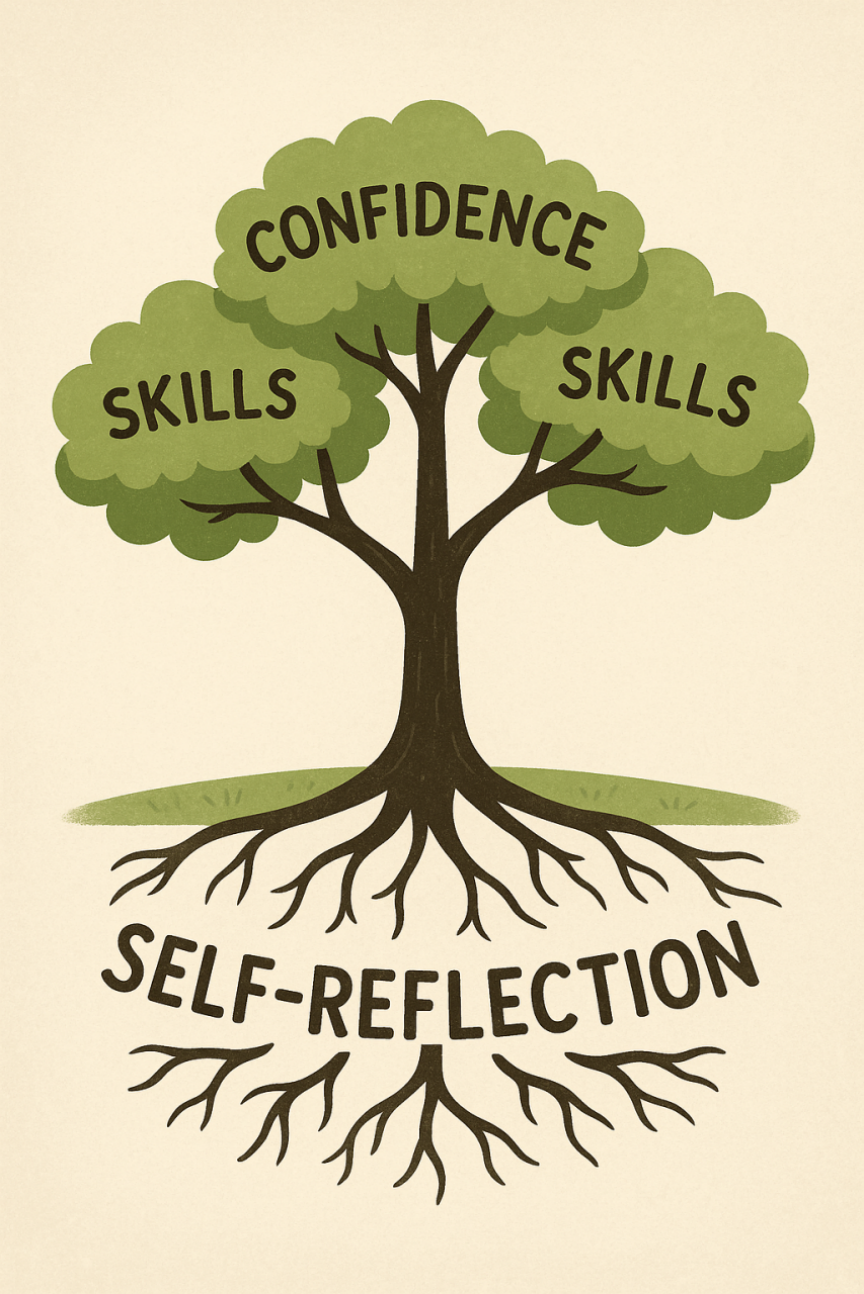
Step 3: Practice self-reflection
Self-reflection is the backbone of growth. Ajita often suggests journaling as a tool for beginners.
Write for 10 minutes each night
Note what went well and what you'd improve about your day.
Track progress over time
Recognise negative thought patterns and note how they shift.
End with gratitude
"One thing I'm grateful for today is…" — this rewires positivity.

Step 4: Learn continuously
Growth thrives on curiosity. Challenge yourself to learn something new every week.
- Read books or articles on psychology, philosophy, or new skills
- Take online courses on topics that genuinely interest you
- Explore hobbies like painting, gardening, or playing music
Step 5: Build small, positive habits
Habits are the building blocks of long-term growth. Start with one small change at a time — these micro-habits gradually rewire your brain and lifestyle.
Morning meditation
Just 5 minutes of stillness sets a calm, focused tone for the day.
Hydrate first thing
Drink a glass of water right after waking up.
Nightly gratitude
Practise gratitude before bed to end the day positively.

Step 6: Seek feedback and mentorship
Growth often requires perspectives beyond our own. Mentors can shorten your learning curve and provide encouragement when you feel stuck.
- Ask trusted friends for constructive, honest feedback
- Find mentors — people whose qualities or skills you admire
- Join communities with shared interests and goals
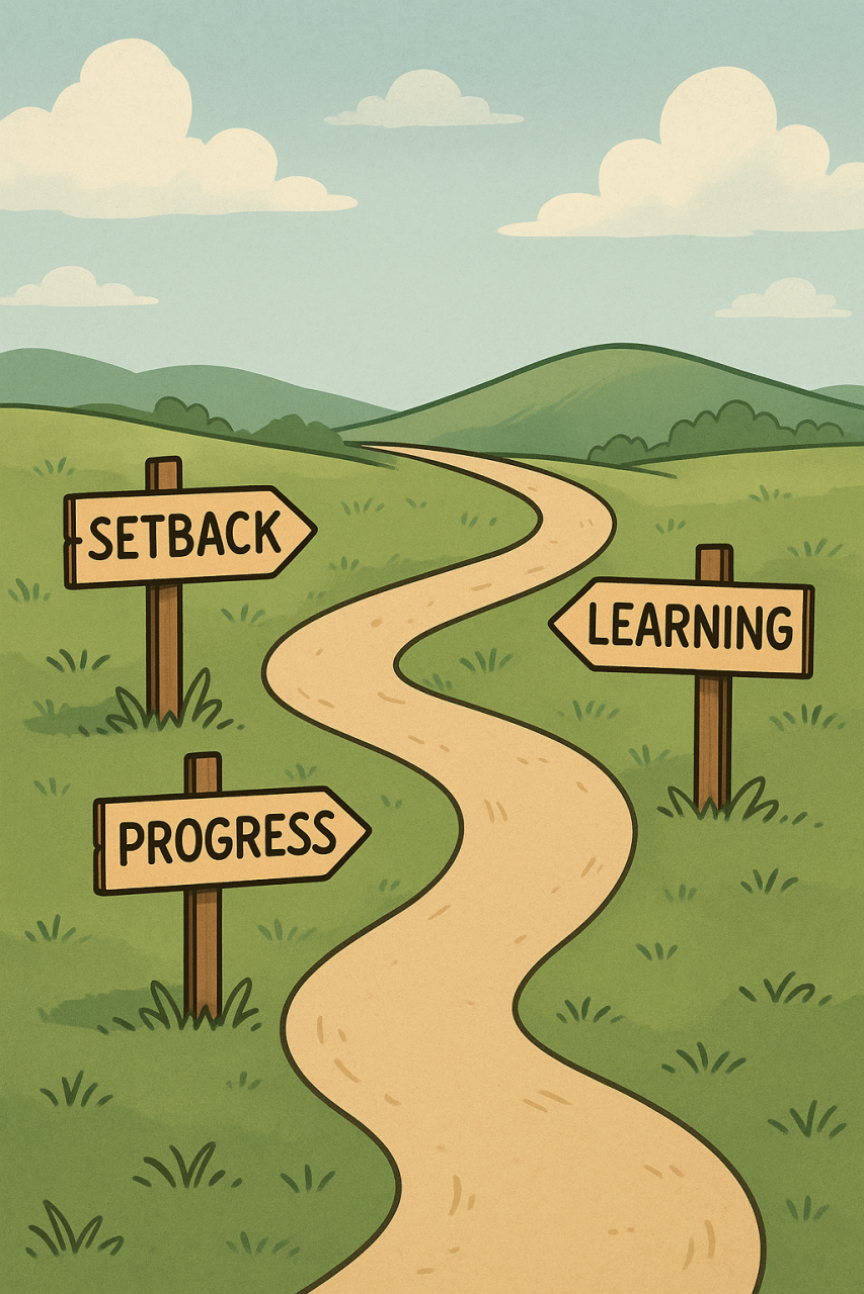
Overcoming challenges in self-growth
Growth isn't smooth. Common roadblocks include:
Conclusion
Personal growth is a journey that never ends — and that's the beauty of it. By adopting a growth mindset, setting goals, reflecting, and building habits, you'll notice gradual but powerful changes in yourself.
Ajita Dhaila's message is simple: every expert was once a beginner. Your first step is the most important one.
Resources
Ready to begin your growth journey?
Work one-on-one with Ajita Dhaila to build a personalised self-improvement plan.
Book a Session